

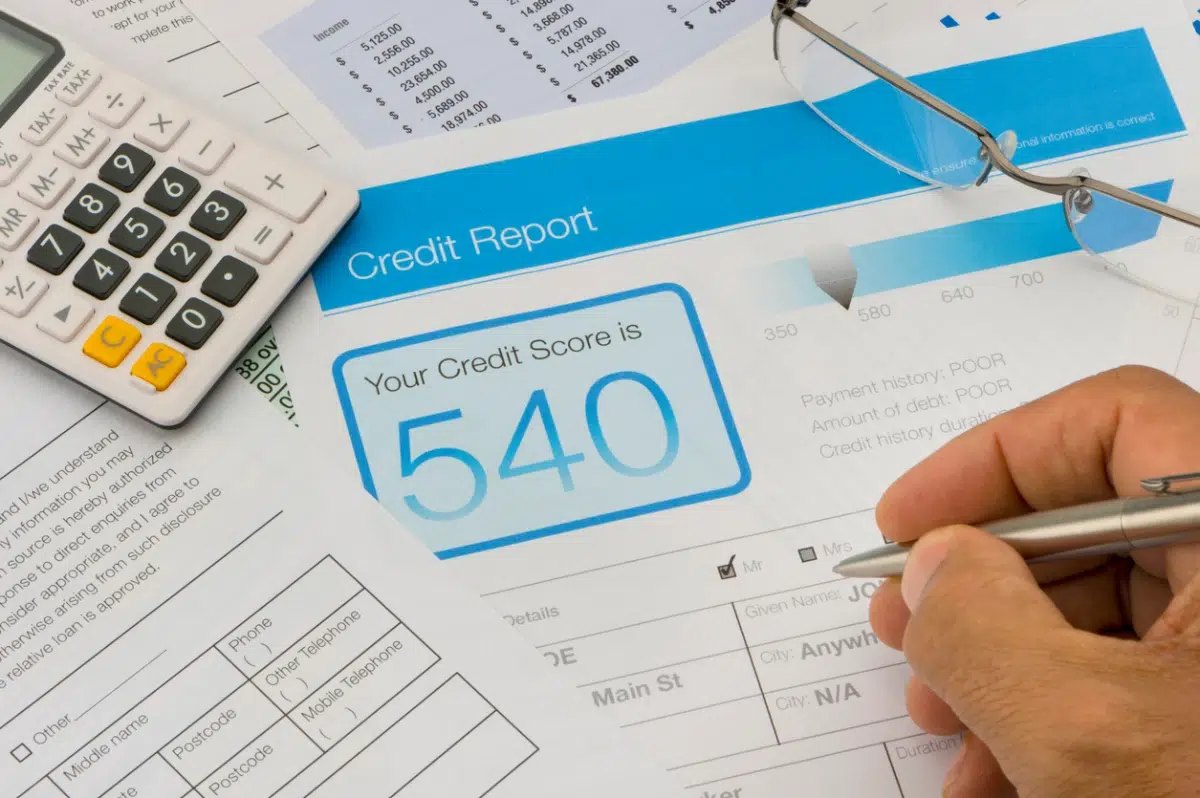


Understanding how a merchant cash advance (MCA) affects your credit score isn’t always straightforward. Unlike traditional loans, MCAs operate under a unique structure—with daily or weekly deductions, revenue-based repayment, and enforcement mechanisms that can impact both your business and personal credit in ways many owners don’t anticipate.
Unlike traditional lending, the relationship between a merchant cash advance and your credit score—both personal and business—is often indirect, yet the consequences of mismanagement can be devastating.
Many businesses turn to us when they face aggressive enforcement actions that threaten their very existence. These aggressive tactics often include initiating litigation against the business and its owners when payments slow down or stop. In this guide, we will cut through the noise, detailing the precise mechanism by which an MCA impacts your personal and business credit profiles, from the initial application to the potential fallout of default, collections, and restructuring.
How Merchant Cash Advances Interact With Your Credit
A Merchant Cash Advance is technically the purchase of future receivables, not a loan. This distinction is the bedrock of its unique credit footprint. Traditional loans, like SBA loans or bank term loans, are regulated and typically report directly to consumer credit bureaus (Experian, Equifax, TransUnion) and commercial bureaus (Dun & Bradstreet, etc.).
MCAs, on the other hand, are often off-balance sheet funding and are generally not reported to the major consumer or commercial credit bureaus during the normal course of repayment. This means that if you are paying your MCA diligently, the debt itself usually does not show up on your credit report and is therefore invisible to the algorithms that calculate your FICO or VantageScore.
However, assuming that an MCA has no credit impact whatsoever is a mistake. The effect is indirect, subtle, and tied to the financial strain the product can place on your business, which can ultimately lead to credit damage.
Cash Flow and Stability: The Indirect Threat to Your Credit
The most significant threat MCAs pose to credit is not through reporting, but through cash flow disruption. An MCA is repaid through daily or weekly automated deductions, typically a fixed percentage of your daily credit card sales or a fixed ACH debit from your bank account.
This constant, non-negotiable deduction can be a tremendous source of cash flow pressure, especially during slow periods. When this pressure mounts, it can lead to a domino effect of financial instability.
How Merchant Cash Advances Affect Business Credit Ratings
While the MCA itself may not be reported, the stress it puts on your overall finances can negatively influence business credit ratings indirectly.
- Missing Other Payments: If the daily MCA deduction makes it difficult to pay other critical business expenses—like utility bills, rent, or vendors—those missed or late payments will be reported to credit bureaus and cause damage to your business credit.
- Drawing on Lines of Credit: To cover the gap caused by the MCA deduction, some businesses max out traditional business credit cards or lines of credit. High utilization rates on these instruments are a major component of business credit scoring, leading to a direct and swift drop in your rating.
- Bank Account Overdrafts: Frequent negative balances or overdrafts, while not directly credit-related, signal financial distress to future lenders and can lead to immediate termination of accounts, which can indirectly hurt your ability to obtain credit.
Hard Inquiries and Negative Reporting
The act of repaying an MCA generally leaves your credit untouched. The credit consequences only materialize when either a hard inquiry is performed or when the relationship breaks down.
Hard Pulls and the MCA Application Process
MCA providers perform various levels of due diligence.
- Soft Pulls: Most initial pre-approvals or funding quotes are based on a “soft pull” or soft inquiry. This is a preliminary check of your credit that does not impact your credit score and is often invisible to other lenders.
- Hard Pulls: Before finalizing the funding and wiring the money, many MCA lenders will perform a “hard pull” (or hard inquiry) on the owner’s personal credit report. A hard pull is performed when a lender is seriously considering extending credit. This inquiry will temporarily drop your personal credit score by a few points and remain visible on your report for up to two years. The thoroughness of merchant cash advance lenders and credit checks is key to their risk assessment.
If you are “rate shopping” and applying to multiple MCA providers, be aware that you may accumulate several hard pulls, collectively intensifying the negative impact on your score. This is a prime example of how the MCA credit impact manifests even before the funds are disbursed.
The Danger of MCA Stacking
“MCA Stacking” refers to the practice of taking out a new MCA before the previous one is fully paid off. This is strongly discouraged by Colonna Cohen due to the compounding risks.
MCA providers frequently use sophisticated software to monitor your bank accounts, looking for other daily ACH debits. If they detect a new MCA deduction, they view this as a serious breach of trust and a sign of high risk. Stacking can trigger clauses in the original agreement that allow the initial provider to demand immediate repayment, leading to swift default actions that directly harm your credit.
Using Refinancing to Manage Credit
In certain cases, a business may find that MCA refinancing and its credit impact can be positive. By replacing a high-cost MCA with a lower-cost, credit-reporting term loan, this strategy can improve your credit by:
- Reducing Utilization: The new term loan pays off the MCA, freeing up daily cash flow.
- Establishing Positive History: The new loan is usually reported to credit bureaus, creating a positive payment history that directly boosts your business’s credit rating.
Refinancing an MCA can be a critical step toward stabilizing your finances and is a path we frequently advise clients to pursue, if possible, before a legal dispute arises.
When Things Go Wrong: Default, Collections, and Legal Fallout
The most severe credit repercussions of an MCA occur not during the repayment period, but after a default. This is where the legal distinction between an MCA (a purchase of receivables) and a loan becomes blurry, and providers use their contractual rights to aggressively recoup funds.
The Consequences of Default and Collections
If your business is struggling and you can no longer meet the daily payment obligations, you enter default. This is when the default consequences for credit are realized. MCA providers do not typically report a missed payment to a credit bureau like a bank would. Instead, they quickly move to collections.
- Aggressive Collections: The MCA provider may hire an aggressive third-party collections agency. These agencies do report unpaid or settled debt to consumer credit bureaus, thus detailing how MCA collections impact personal credit immediately and severely. A collection account on your personal credit report can drop your score by over 100 points and remains for seven years.
- Settling Debt: For those wondering, will settling MCA debt affect your credit? The answer is generally yes. If you negotiate a settlement (e.g., paying 60% of the remaining balance), the creditor or collection agency typically reports this debt as “Settled” or “Paid for Less Than Full Amount.” While better than a full charge-off, this is still a negative mark on your credit history that signals a past inability to pay as agreed.
Legal Battles and Permanent Credit Damage
The legal process initiated by a default has the most far-reaching and destructive implications on credit.
- Judgments: If the MCA provider sues your business and wins a judgment, this judgment will appear on public records. While credit reports have become more restricted in reporting civil judgments, the existence of a court judgment is easily discoverable by future lenders and will severely limit your access to future financing.
- UCC Liens: As mentioned earlier, the MCA provider almost certainly filed a UCC-1 financing statement at the outset, securing a lien against the future receivables of your business. This UCC lien is a public notice that another party has an interest in your assets. While not directly a credit score factor, it acts as a massive red flag for banks and reputable lenders, blocking future credit lines.
- Personal Guarantees: Because you likely signed a personal guarantee, a lawsuit can quickly move from targeting the business to targeting the owner’s personal assets. A personal judgment against you becomes an immediate, crippling mark on your personal credit.
Financial Recovery: How to Rebuild Credit After MCA Debt
The good news is that financial health, even after a severe setback, is recoverable. If you have suffered significant credit score damage due to MCA debt, here is a clear path for how to rebuild credit.
- Address Judgments and Collections: The single most important step is resolving any personal judgments or active collections. If you are being pursued, consult with a legal professional immediately. Colonna Cohen specializes in advising on and defending against MCA enforcement and collection actions. Resolving the matter—ideally through vacating a judgment or negotiating a favorable settlement—is the first step toward credit recovery.
- Prioritize Business Payments: Ensure all other revolving and installment business debts (vendor credit, utility accounts, term loans) are paid on time, every time. This consistent positive history is the fastest way to repair your business credit profile.
- Secure Credit-Reporting Alternatives: Once stabilized, replace the high-risk MCA void with responsible, credit-reporting instruments. This could be a secured business credit card or a small, short-term loan that reports payment activity monthly. This helps build positive payment history—the largest factor in both personal and business credit scores.
- Monitor Both Profiles: Regularly check both your personal credit report and your business credit report. Ensure any negative reporting stemming from the MCA (such as collections accounts or judgment reporting) is accurate and legally permissible. Dispute any errors immediately.
Conclusion: Take Control of Your Financial Future
The journey of managing a merchant cash advance and your credit score is fraught with pitfalls, primarily because the MCA model is designed to operate outside the traditional regulatory framework that protects borrowers. While the MCA may not show up on your credit report under normal circumstances, the associated risks—from hard credit pulls to cash flow pressure leading to secondary defaults and devastating legal actions—are very real.
At Colonna Cohen, we believe that informed business owners are empowered business owners. If you are considering an MCA, be hyper-vigilant about the impact of the daily deduction and the personal guarantee. If you are already struggling, remember that ignoring the problem is the fastest way to invite litigation and long-term credit score damage.
Contact Colonna Cohen today to schedule a confidential consultation and take proactive control of your financial and legal future.